
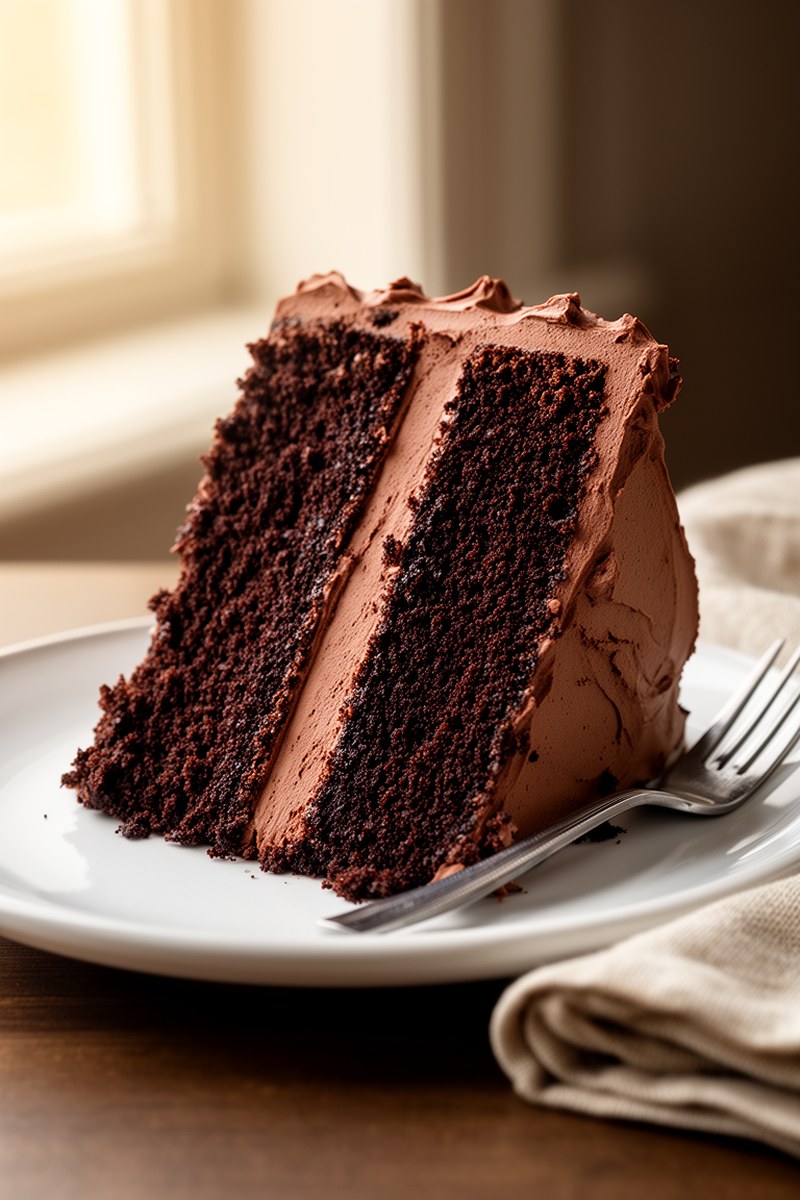
Most homemade chocolate cakes come out dry because of two silent mistakes: over-measured flour and no hot liquid to bloom the cocoa. Fix both and you get a cake with a genuinely tender crumb that stays moist for three days — here’s exactly how.
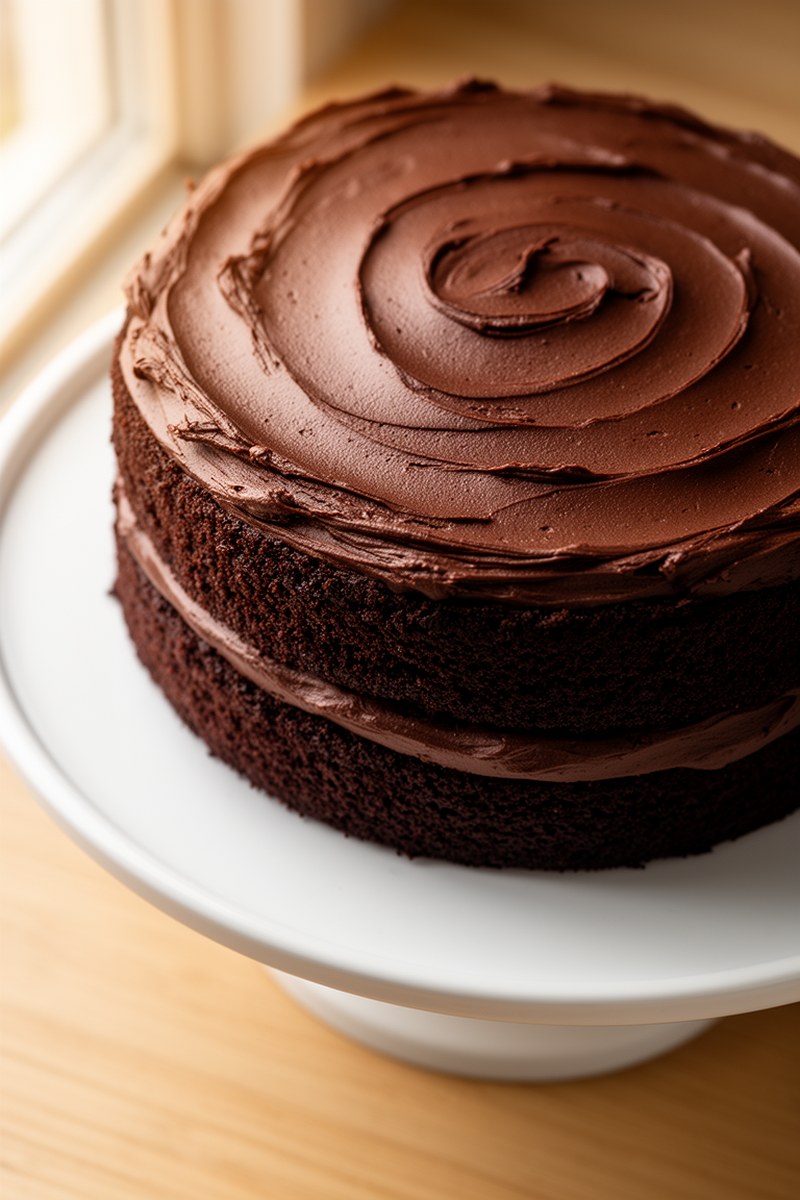
This recipe uses hot coffee as the liquid, which does two things at once: it blooms the cocoa powder (releasing more flavor than cold liquid ever could) and it keeps the crumb from drying out as it bakes. If you don’t have coffee or prefer not to use it, hot water works — the science is the same. Either way, the batter will look thinner than most cake batters, and that’s correct.
The recipe is one-bowl, uses standard pantry ingredients, and works in two 9-inch round pans for a layer cake or one 9×13-inch pan for a sheet cake. Both bake at the same temperature — only the time changes.
Ingredients
The dry base is all-purpose flour with a good amount of cocoa powder. Use natural unsweetened cocoa (not Dutch-process) — it reacts with baking soda and the acid in buttermilk, which is what gives the cake its lift. If you only have Dutch-process, you can use it, but swap baking soda for baking powder instead.
Buttermilk is worth seeking out. The fat and acid in it tenderize the crumb in a way that regular milk doesn’t replicate perfectly. If you’re out, add white vinegar to whole milk and let it sit for a few minutes — it won’t be identical but it works.
Oil rather than butter keeps this cake moist longer. Butter cakes taste richer the day they’re baked; oil cakes taste better on day two and three. For a recipe you’re making ahead, oil is the right call.
Moist Chocolate Cake Recipe
Ingredients
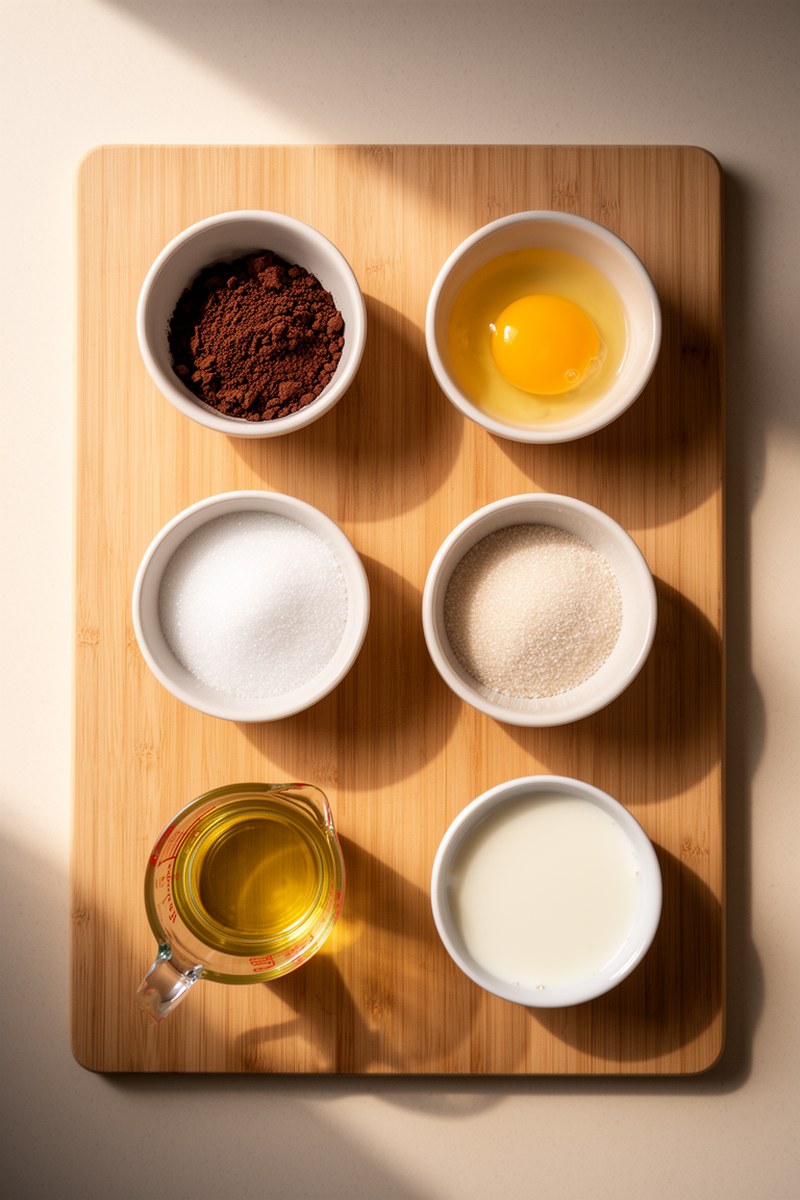
- 2 cups all-purpose flour 250g by weight, spooned into cup and leveled off, not scooped from bag
- 2 cups sugar
- ¾ cup unsweetened cocoa powder natural unsweetened, not Dutch-process
- 2 tsp baking soda
- 1 tsp baking powder
- 1 tsp salt
- 2 large eggs room temperature
- 1 cup buttermilk room temperature
- ½ cup vegetable oil neutral oil
- 2 tsp vanilla extract
- 1 cup hot coffee or hot water, blooms cocoa flavor
Instructions
- Heat oven to 350°F. Grease two 9-inch round cake pans with butter or cooking spray. Dust the inside of pans with a small amount of cocoa powder, not flour — cocoa disappears into the crumb while flour leaves a white film on dark cake. If making a sheet cake instead, use a 9×13-inch pan and grease only, no dusting needed.
- In a large bowl, whisk together 2 cups all-purpose flour (measured by spooning into cup and leveling off, not scooping), 2 cups sugar, ¾ cup unsweetened cocoa powder, 2 teaspoons baking soda, 1 teaspoon baking powder, and 1 teaspoon salt. Measure flour by volume carefully or use a kitchen scale for 250g — over-packed flour causes dry cake.
- In a separate bowl or large measuring jug, whisk together 2 large eggs, 1 cup buttermilk, ½ cup vegetable oil, and 2 teaspoons vanilla extract until smooth. Ensure all wet ingredients are at room temperature — cold eggs or buttermilk can cause the batter to look slightly broken before baking.
- Pour the wet ingredients into the dry ingredients and mix on low speed or stir by hand just until combined, about 30 seconds. Stop as soon as you no longer see dry streaks. Do not overmix — overmixing develops gluten, which tightens the crumb and makes the cake chewy rather than tender.
- Pour in 1 cup of hot coffee or hot water and stir to combine. The batter will be noticeably thin and shiny, much thinner than most cake batters — this is correct and intentional. Do not add more flour.
- Divide the batter evenly between the two prepared 9-inch round pans using a kitchen scale if possible so each pan holds roughly equal weight. For a 9×13-inch sheet cake, pour all batter into the single pan.
- Bake for 30–35 minutes for layer cakes, or 38–42 minutes for a 9×13-inch sheet cake. The cake is done when a toothpick inserted in the center comes out with just a few moist crumbs — not wet batter, but not bone dry. An instant-read thermometer should read 205–210°F. Underbaking by even 3–4 minutes is better than overbaking, which dries out the cake.
- Let the cake layers cool in the pans for 10 minutes, then turn out onto a wire rack to cool completely before frosting. Do not frost warm cake — it will melt the frosting and cause uneven crumb.
Notes
How to Make Moist Chocolate Cake
Step 1: Prepare Your Pans and Preheat
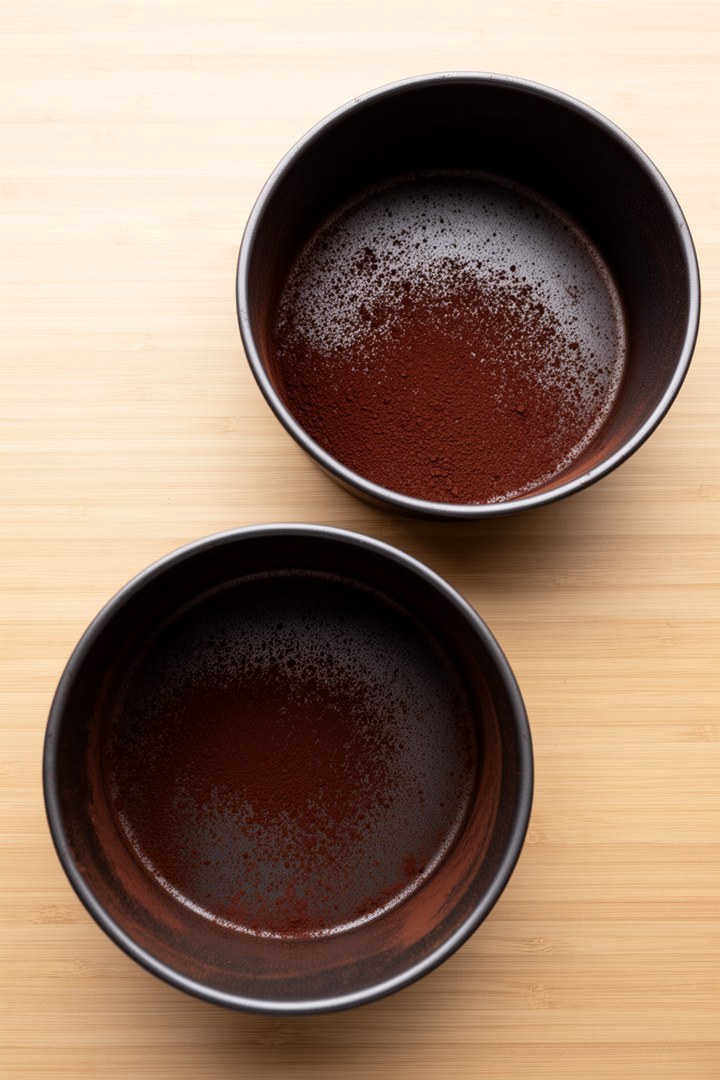
Heat oven to 350°F (175°C). Grease two 9-inch round cake pans with butter or cooking spray, then dust with a small amount of cocoa powder — not flour. Flour leaves a white film on dark cake; cocoa disappears into the crumb. If you’re making a sheet cake, use a 9×13-inch pan; no dusting needed, just grease.
Step 2: Whisk the Dry Ingredients
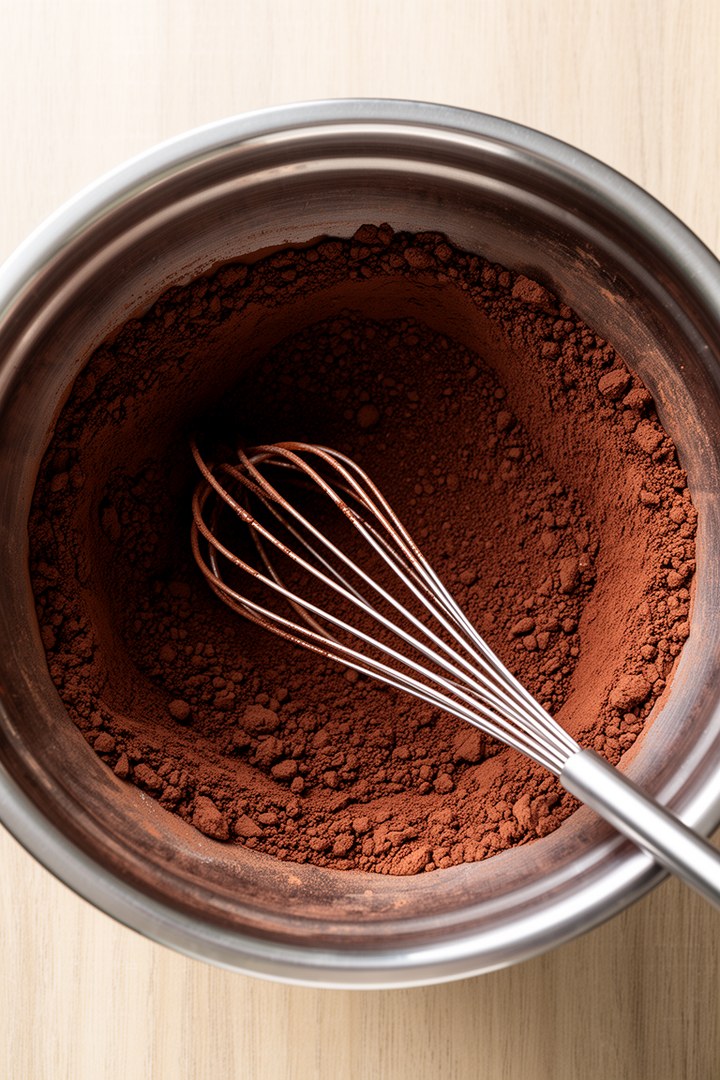
In a large bowl, whisk together 2 cups (250g) all-purpose flour, 2 cups (400g) sugar, ¾ cup (75g) unsweetened cocoa powder, 2 teaspoons baking soda, 1 teaspoon baking powder, and 1 teaspoon salt. Measure flour by spooning it into the measuring cup and leveling off — do not scoop directly from the bag. Scooping compacts the flour and can add 20–30% more than the recipe calls for, which is how most dry cakes happen. If you have a kitchen scale, use it: 250g is exact.
Step 3: Combine the Wet Ingredients
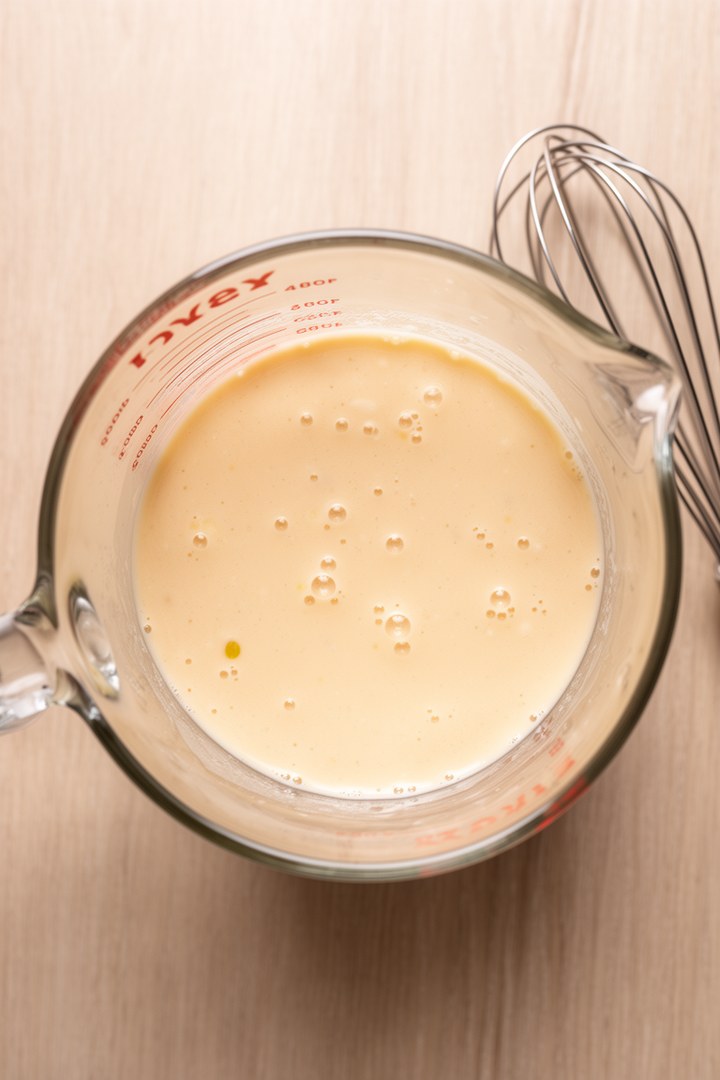
In a separate bowl or large measuring jug, whisk 2 large eggs, 1 cup (240ml) buttermilk, ½ cup (120ml) vegetable oil, and 2 teaspoons vanilla extract until smooth. Everything should be at room temperature — cold eggs or cold buttermilk can cause the batter to look slightly broken before it comes together in the oven.
Step 4: Mix at Low Speed, Then Add Hot Coffee
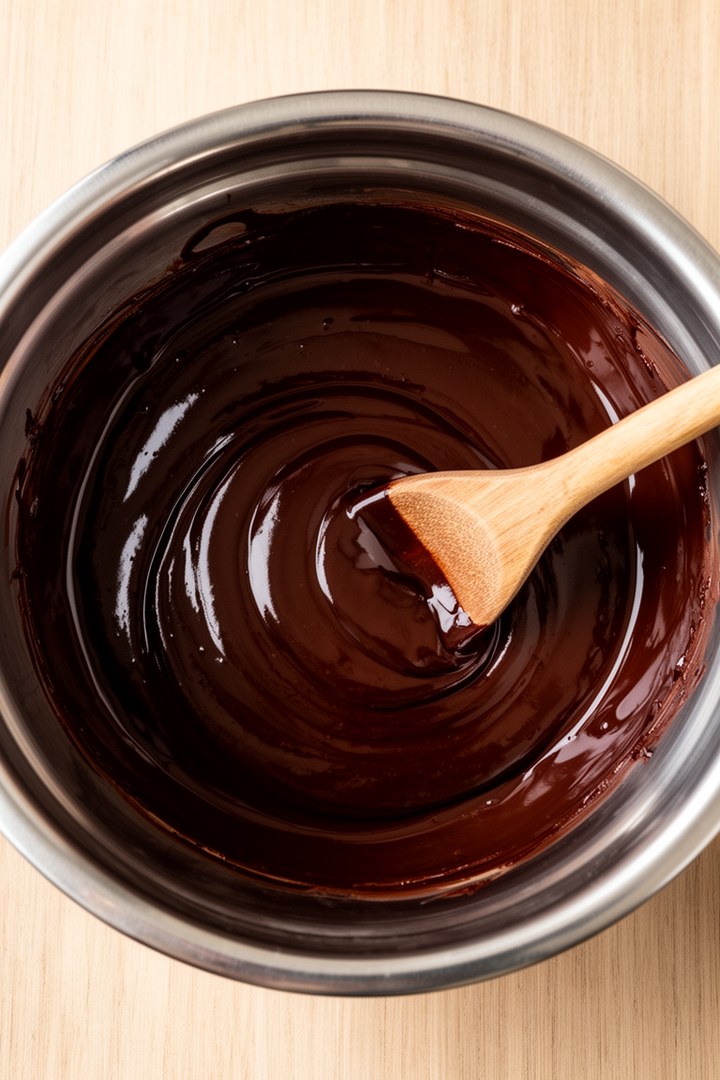
Pour the wet ingredients into the dry and mix on low speed (or stir by hand) just until combined — about 30 seconds. Stop as soon as you don’t see dry streaks. Overmixing develops gluten, which tightens the crumb and makes the cake chewy rather than tender. Then pour in 1 cup (240ml) hot coffee or hot water and stir to combine. The batter will be noticeably thin and shiny — much thinner than most cake batters. This is correct and intentional. Do not add more flour.
Step 5: Bake and Test for Doneness
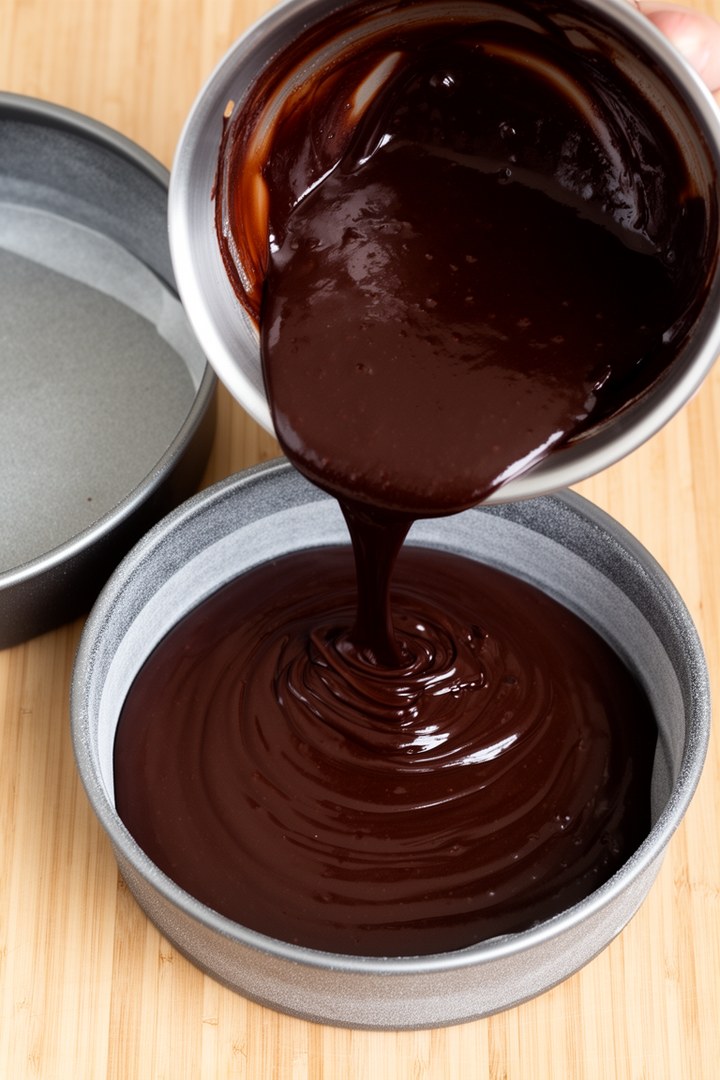
Divide the batter evenly between the two prepared pans and bake for 30–35 minutes. For a 9×13-inch sheet cake, bake 38–42 minutes. The cake is done when a toothpick inserted in the center comes out with just a few moist crumbs — not wet batter, but not bone dry either. If you have an instant-read thermometer, the internal temperature should read 205–210°F (96–99°C). Let the layers cool in the pans for 10 minutes, then turn out onto a wire rack to cool completely before frosting.
Why Does My Chocolate Cake Come Out Dry?
The two most common reasons are too much flour and overbaking. Flour scooped directly from the bag compacts in the cup, adding significantly more than the recipe intends — always spoon flour into the cup, or weigh it. The second issue is oven temperature: most home ovens run 15–25°F hotter than the dial says, which dries out the exterior before the center sets. An oven thermometer (under $15) fixes this permanently. A third reason is overbaking by even 3–4 minutes, which drives out moisture the batter worked hard to hold in. Pull the cake when a toothpick shows a few moist crumbs, not when it’s spotlessly clean.
Cook’s Notes
- Weigh the flour: 250g is more reliable than 2 cups measured by volume. Over-packing flour is the single most common reason chocolate cake turns out dense and dry.
- Room-temperature dairy: Cold eggs or cold buttermilk can cause the batter to look slightly broken. Set them out 30 minutes ahead. In a hurry, warm eggs in a bowl of warm water for 5 minutes.
- The batter is supposed to be thin: After adding hot coffee, the batter looks almost pourable. Don’t add more flour — this thinness is exactly what keeps the crumb moist.
- Cake sank in the middle: Almost always underbaking. The center sets last; if it sinks after cooling, the batter wasn’t fully set through. Add 5 minutes to the bake time and check again.
- High altitude (above 3,500 ft): Reduce baking soda to 1½ tsp, reduce sugar to 1¾ cups, and add 2 extra tablespoons of flour. Lower air pressure causes cakes to rise too fast and collapse.
- Even layers: Use a kitchen scale to divide the batter — each pan should hold roughly equal weight. Uneven layers mean one overbakes while the other underbakes.
Substitutions
Buttermilk
Add 1 tablespoon of white vinegar or lemon juice to 1 cup of whole milk, stir, and wait 5 minutes until it curdles slightly. Full-fat Greek yogurt thinned with a splash of milk also works. Low-fat alternatives are less effective; the fat content matters for crumb tenderness.
Vegetable Oil
Any neutral oil works: canola, sunflower, grapeseed. Avoid olive oil — the flavor comes through. If you want a slight richness closer to a butter cake, use ¼ cup (55g) melted butter and ¼ cup (60ml) oil; the cake will be slightly less moist but more flavorful on day one.
Hot Coffee
Hot water is a direct substitute. The coffee doesn’t make the cake taste like coffee — it deepens the chocolate flavor. If you’re avoiding caffeine but want the flavor boost, use decaf. If using hot water, add ½ teaspoon of espresso powder to the dry ingredients to get a similar effect.
Cocoa Powder
Natural unsweetened cocoa and Dutch-process cocoa are not interchangeable here without adjustments. Dutch-process has been alkalized and won’t react with baking soda for lift. If using Dutch-process, replace the baking soda with an equal amount of baking powder (2 teaspoons) and omit the separate 1 teaspoon of baking powder called for.
Frosting Options
A simple chocolate buttercream pairs well without competing. Beat 1 cup (225g) softened unsalted butter until pale and fluffy, then add ⅔ cup (65g) sifted cocoa powder, 3 cups (375g) powdered sugar, ⅓ cup (80ml) heavy cream, 1 teaspoon vanilla, and a pinch of salt. Mix on low until the sugar is incorporated, then beat on medium-high for 2–3 minutes until light and spreadable.
For a more intense result, chocolate ganache frosting works well here. Heat 1 cup (240ml) heavy cream until just simmering, pour over 8 oz (225g) chopped dark chocolate, and let it sit 2 minutes before stirring smooth. Cool to a spreadable consistency before applying. Ganache is richer and less sweet than buttercream — a better match if you want to balance the sweetness of the cake itself.
Cream cheese frosting cuts through the richness of chocolate well. Beat 8 oz (225g) cream cheese with ½ cup (115g) softened butter until smooth, then add 3 cups (375g) powdered sugar and 1 teaspoon vanilla. Tangier and lighter than buttercream, it works especially well with the sheet cake version.
Make Ahead
Bake the cake layers up to 2 days ahead. Once completely cool, wrap each layer individually in two layers of plastic wrap and store at room temperature — do not refrigerate unfrosted layers, the fridge dries them out. For longer storage, wrap tightly and freeze for up to 3 months. Thaw overnight in the fridge still wrapped, then bring to room temperature for 1 hour before frosting.
Chocolate buttercream keeps refrigerated in an airtight container for 3 days. Bring to room temperature and re-beat for 1 minute before using. Ganache keeps refrigerated for up to 1 week; gently reheat in 10-second microwave intervals to return it to spreading consistency.
Storage
Room temperature: Frosted cake under a cake dome or in an airtight container keeps well for 3 days. The oil in the recipe actively keeps the crumb moist — it often tastes better on day 2 than day 1. Refrigerator: Up to 5 days, but cover well — cakes absorb refrigerator odors easily and the crumb tightens in the cold. Let refrigerated slices sit at room temperature for 20 minutes before serving. Freezer: Up to 3 months, well wrapped in plastic then foil. Thaw in the fridge overnight.
Frequently Asked Questions
Why do you use hot coffee in chocolate cake?
Hot liquid blooms cocoa powder — it opens up the cocoa particles and releases far more flavor than cold liquid does. Coffee also contains compounds that amplify chocolate flavor directly, making the cake taste more intensely chocolatey without tasting like coffee. Hot water does the same job if you prefer not to use coffee.
Can I make this cake without buttermilk?
Yes. Add 1 tablespoon of white vinegar or lemon juice to 1 cup of whole milk, stir, and let it sit for 5 minutes until it curdles slightly. This works well as a substitute. Full-fat Greek yogurt thinned with a splash of milk is another option. Low-fat substitutes are less effective because the fat content contributes to crumb tenderness.
Can I bake this in a 9×13-inch pan?
Yes. Pour all the batter into a greased 9×13-inch pan and bake at 350°F for 38–42 minutes instead of 30–35. Check for doneness with a toothpick at the 38-minute mark. The sheet cake will be thicker than each individual layer and takes a few extra minutes to set through the center.
What causes chocolate cake to sink in the middle?
Almost always underbaking. The center is the last part to set, and if the cake comes out of the oven before the internal structure firms up, it collapses as it cools. Other causes: opening the oven door before 25 minutes, too much baking soda causing rapid rise then collapse, or an oven that runs hotter on the sides than the center. Extend bake time by 5 minutes if this keeps happening.
How long does this chocolate cake stay moist?
At room temperature under a cake dome: 3 days. In the refrigerator: up to 5 days, though the crumb firms up in the cold — let slices come to room temperature before serving. Frozen: up to 3 months, well wrapped. This recipe uses oil rather than butter, which keeps the crumb moist longer than most layer cakes.
More Recipes
[wprm-recipe-ratings-rich id=”52215″]





Leave a Reply