Sauté vs Sear
Sautéing keeps small pieces moving over a thin film of fat to brown them lightly and fast; searing holds a larger, still piece against hard heat to build one deep crust. Motion versus stillness, many small surfaces versus one big one — the same browning chemistry, a different goal.
Side by side
Same Maillard, opposite handling
| Sauté | Sear | |
|---|---|---|
| The food | Small, uniform pieces | One large or whole piece |
| Motion | Constant — it “jumps” | Still — left undisturbed |
| Fat | Thin film to coat | Thin film to coat |
| Heat | Fairly high | Very high |
| Result | Light, even colour; tender inside | One deep, hard crust |
When to use which
Do you want it moving, or still?
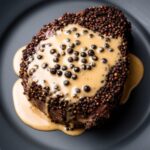
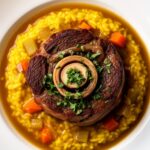
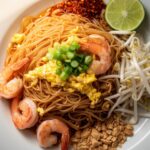
Reach for sautéing when the food is already bite-size and you want quick, even colour all over — vegetables, shrimp, thin cutlets, aromatics for a sauce. Reach for searing when you want one pronounced, savoury crust on a steak, a roast, or a piece of meat before it goes into a braise.
Both are dry-heat browning powered by the Maillard reaction. The single question that tells them apart in practice: are you keeping the food moving, or holding it dead still to let a crust set?
Read the full entries
Recipes that show it