
Most drunken noodles come out soggy and underseasoned because the pan isn’t hot enough and the sauce goes in too early, before anything has charred. Get the wok truly smoking, add the sauce only after the noodles have a moment of direct contact with the hot surface, and use fresh Thai basil — not Italian basil — and the dish completely changes.
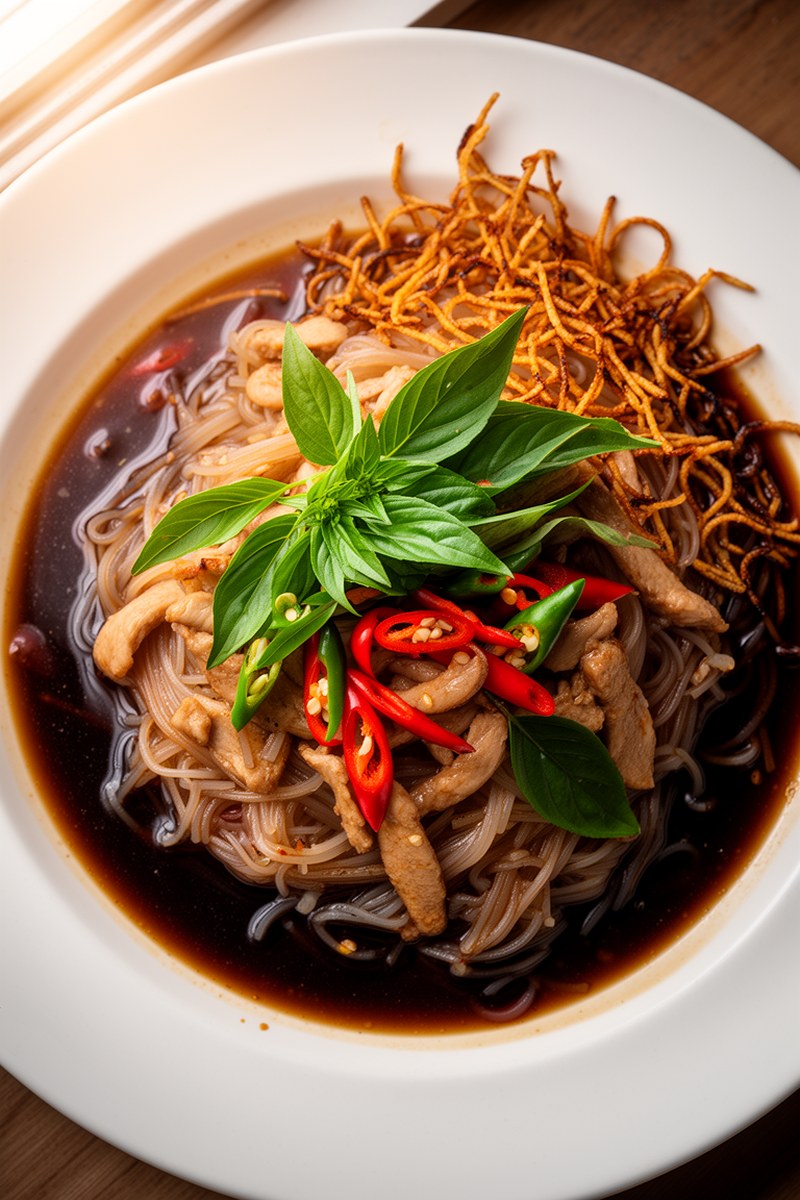
Drunken noodles — pad kee mao in Thai — is a spicy stir-fried noodle dish made with wide rice noodles, Thai basil, bird’s eye chilies, and a soy-fish sauce combination that’s heavier and darker than pad thai’s tamarind base. Despite the name, there’s no alcohol in the recipe. The “drunken” in the name likely refers to the dish being food that tastes good after drinking, or possibly to the strong, pungent flavors that hit you the way a drink might.
It’s faster than pad thai — no noodle soaking required if you use fresh rice noodles, and the sauce is simpler. The heat level is traditionally high, but adjustable. This recipe covers the technique for getting those slightly charred, chewy noodle edges that make the difference between restaurant-quality and home-version pad kee mao.
What Are Drunken Noodles?
Pad kee mao (ผัดขี้เมา) translates literally as “drunkard’s stir-fry.” The dish appears throughout Thailand and in Thai restaurants worldwide under several names — pad kee mao, drunken noodles, or spicy basil noodles. It uses wide fresh rice noodles (or rehydrated dried flat rice noodles), which have a chewy, slippery texture that soaks up the dark sauce and chars at the edges when the heat is right.
The dish is closely related to pad see ew, which also uses wide rice noodles and a dark soy sauce, but pad kee mao is spicier, uses more fresh herbs, and has a slightly different sauce balance. It’s also related to pad thai in noodle format but not in flavor — the two dishes don’t taste remotely similar despite both being Thai noodle stir-fries.
Ingredients You’ll Need
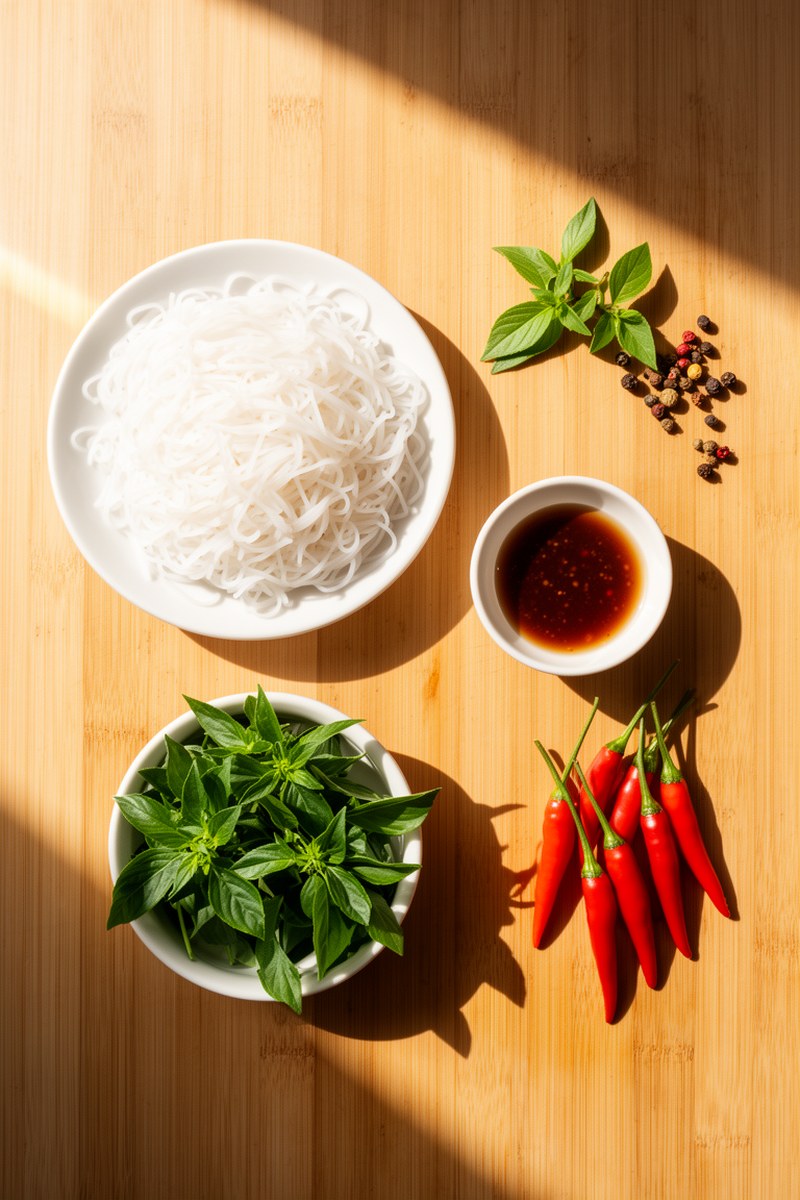
Fresh wide rice noodles are ideal — they’re sold in Asian grocery stores, often refrigerated, and go from package to wok in seconds. If you can’t find them, dried flat rice noodles (the wide ones, about 1cm) soaked in room-temperature water for 20 to 30 minutes work fine. The noodles must be dry before they hit the pan; wet noodles steam instead of sear.
Thai basil is not optional. Italian basil has a completely different flavor profile — sweeter, with an anise note, but without the slight peppery punch of Thai basil. Thai basil holds up to heat much better than Italian basil, which wilts and turns black within seconds. If Thai basil is genuinely unavailable, use holy basil (if you can find it) or skip basil entirely — don’t substitute Italian basil and expect the same result. The chilies should be fresh bird’s eye if possible; dried chili flakes work as a substitute but don’t have the same fresh heat.
Drunken Noodles (Pad Kee Mao)
Ingredients
For the Sauce
- 3 tbsp oyster sauce
- 2 tbsp thin soy sauce
- 1 tbsp dark soy sauce
- 1 tbsp fish sauce
- 1 tsp palm sugar or brown sugar
For the Noodles
- 8 oz fresh wide rice noodles or dried flat rice noodles soaked 20-30 minutes
- 2 tbsp neutral oil vegetable or peanut
- 4 cloves garlic smashed
- 2 fresh bird’s eye chilies sliced, or 1/2 tsp dried chili flakes
- 6 oz protein sliced chicken, pork, or shrimp
- 1 cup fresh Thai basil leaves not Italian basil
Instructions
- Mix together oyster sauce, thin soy sauce, dark soy sauce, fish sauce, and palm sugar in a small bowl until the sugar dissolves completely. Set beside the stove.
- Heat a wok or large heavy skillet over the highest heat your burner produces for 2 full minutes. The pan should be smoking before anything goes in.
- Add oil and swirl to coat the wok. Let it heat for 30 more seconds — the oil should shimmer immediately on contact.
- Add the smashed garlic and sliced chilies directly to the hot oil — they should sizzle and pop immediately. Toss for 20 to 30 seconds until fragrant and the garlic is golden at the edges but not burned.
- Add the protein (sliced chicken, pork, or shrimp) and spread in a single layer. Let it sear untouched for 1 minute before tossing. You want color on the protein, not steamed-gray meat.
- Add the noodles to the pan and spread in an even layer over high heat. Let them sit without stirring for 30 to 45 seconds — this is how you get the charred, slightly crispy edges.
- Pour the sauce over the noodles and toss quickly using tongs, coating every noodle. Cook for 1 to 2 minutes until the sauce is absorbed and the noodles look glossy and slightly caramelized.
- Add the Thai basil leaves all at once and toss once — the heat of the pan wilts them in seconds. Plate immediately and serve.
Notes
How to Make Drunken Noodles
Step 1 — Prep the sauce and get the wok screaming hot
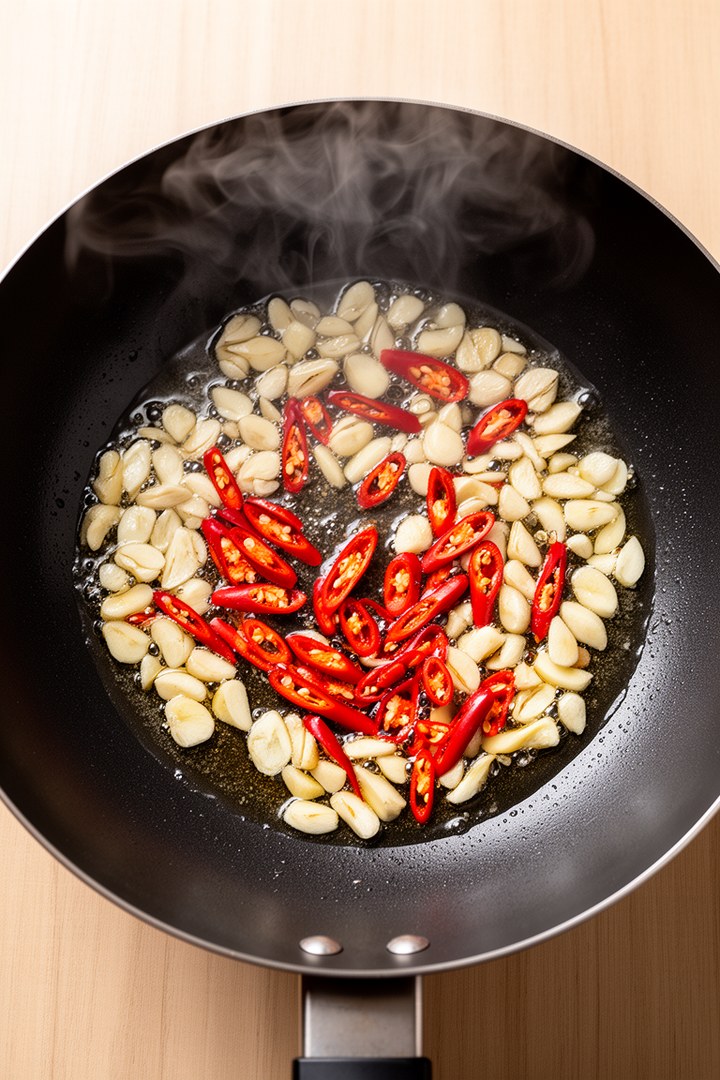
Mix together the oyster sauce, thin soy sauce, dark soy sauce, fish sauce, and palm sugar in a small bowl until the sugar dissolves. Set beside the stove. Heat a wok or large heavy skillet over the highest heat your burner produces for 2 full minutes — the pan should be smoking before anything goes in. Add oil, swirl to coat, and let it heat for 30 more seconds. The oil should shimmer immediately on contact.
Step 2 — Aromatics and protein
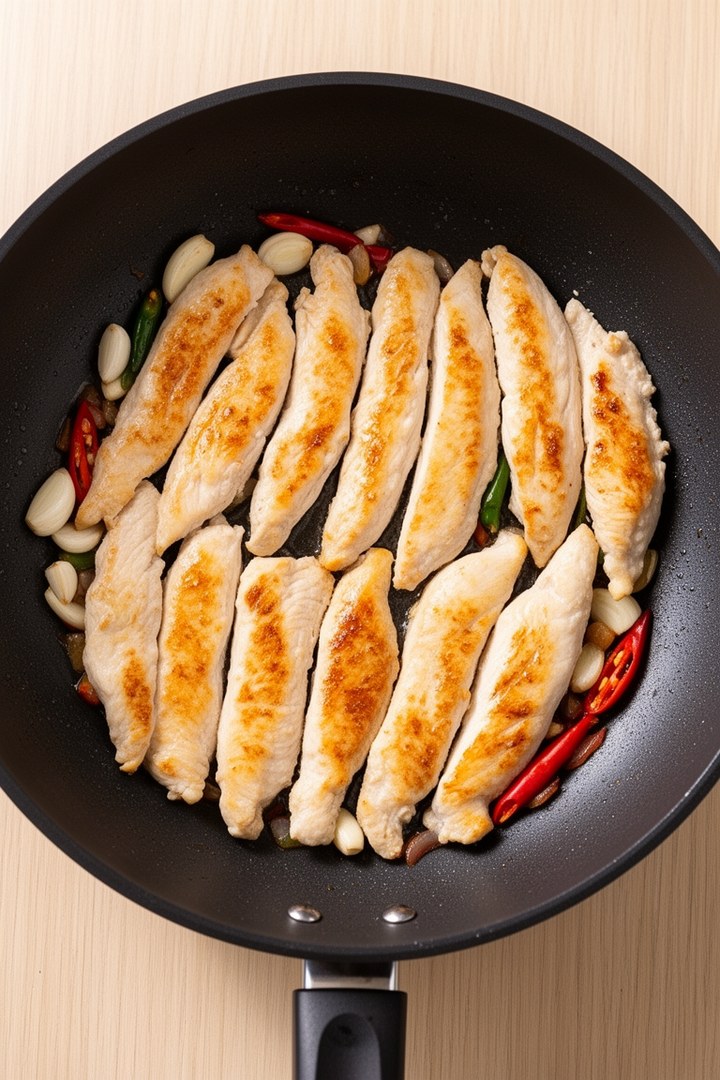
Add the smashed garlic and sliced chilies directly to the hot oil — they should sizzle and pop immediately. Toss for 20 to 30 seconds until fragrant and the garlic is golden at the edges but not burned. Add the protein (sliced chicken, pork, or shrimp) and spread in a single layer. Let it sear untouched for 1 minute before tossing. You want color on the protein, not steamed-gray meat.
Step 3 — Noodles, sauce, and basil
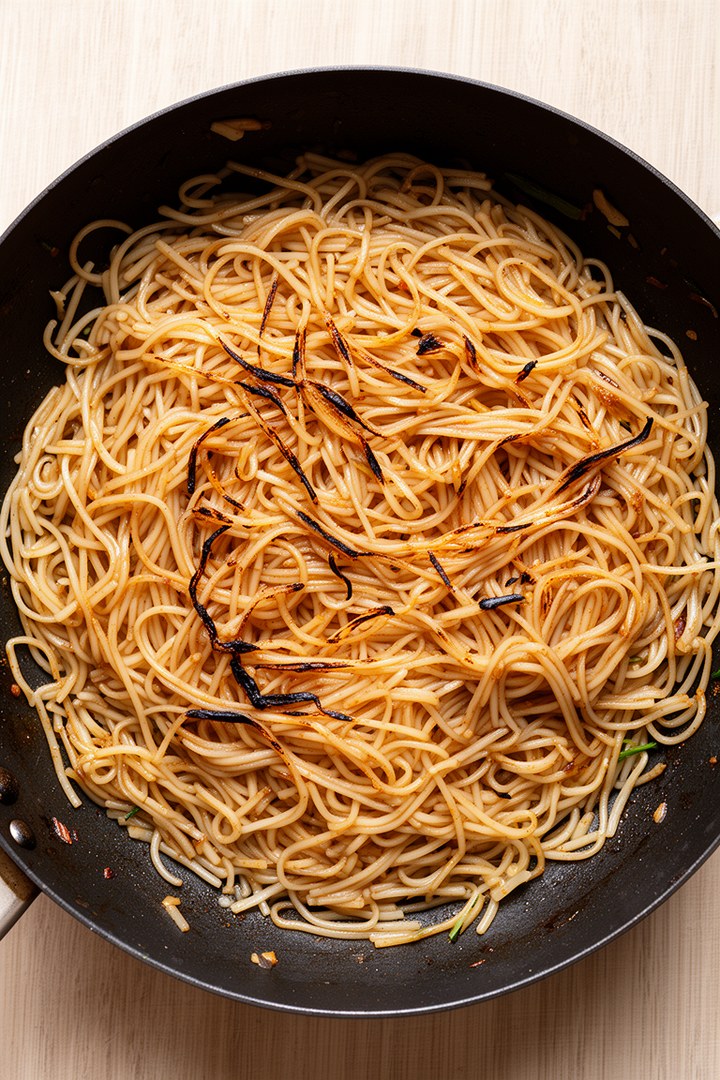
Add the noodles to the pan and spread in an even layer over high heat. Let them sit without stirring for 30 to 45 seconds — this is how you get the charred, slightly crispy edges. Pour the sauce over and toss quickly using tongs, coating every noodle. Cook for 1 to 2 minutes until the sauce is absorbed and the noodles look glossy and slightly caramelized. Add the Thai basil leaves all at once and toss once — the heat of the pan wilts them in seconds. Plate immediately.
Why Does the Wok Temperature Matter?
High heat does two things that medium heat cannot: it caramelizes the natural sugars in the sauce onto the noodles (the dark, slightly sticky glaze you see on a good plate of pad kee mao), and it creates wok hei — the faintly smoky, charred flavor that comes from hydrocarbons off-gassing at extreme temperature. At home without a restaurant burner, you can approximate this by cooking in small batches (never more than two servings at once) and letting the noodles sit stationary on the hot surface between tosses rather than stirring constantly. The goal is contact-time with the hot surface, not constant motion.
Substitutions for Common Ingredients
Thai basil: the only real substitute is holy basil, which is spicier and slightly minty. Italian basil changes the flavor completely. If you can’t find Thai basil, omit it and add a little extra chili — the herb is significant enough that skipping it changes the dish. Dark soy sauce: regular soy sauce plus a small amount of molasses (roughly 1 teaspoon per tablespoon of dark soy) replicates the color and mild sweetness. Palm sugar: brown sugar at the same quantity. Bird’s eye chilies: dried red chili flakes work; use about ½ teaspoon per fresh chili as a starting point and adjust.
Make-Ahead Tips
Mix the sauce up to a week ahead and refrigerate. Prep vegetables and slice protein up to 1 day ahead. If using dried noodles, soak up to 2 hours before cooking and keep submerged in water until ready to use. Like pad thai, drunken noodles must be cooked and eaten immediately — the noodles soak up sauce and lose their texture within 20 to 30 minutes of cooking.
Storage and Reheating
Leftovers keep refrigerated for up to 2 days, though the texture is noticeably worse — the noodles become dense and clumped. Reheat in a very hot dry wok with a splash of water and a drizzle of oil, tossing quickly until hot. Add a little extra soy sauce to reseason. Do not microwave — the noodles go rubbery and the basil turns black.
Frequently Asked Questions
Do drunken noodles contain alcohol?
No. Despite the name, there’s no alcohol in the recipe. The most common explanation is that “drunken” refers to the food being ideal to eat after drinking — rich, spicy, and satisfying in the way late-night street food tends to be. Another theory is that the name comes from a story of a drunk cook throwing together whatever was in the kitchen. Either way, the dish itself is alcohol-free.
What’s the difference between drunken noodles and pad thai?
Pad thai uses tamarind, fish sauce, and palm sugar for a tangy-sweet sauce and thinner rice noodles. Drunken noodles use a darker sauce of oyster sauce, soy sauce, and fish sauce for a more savory, less sweet profile, with wide flat noodles and significantly more heat from fresh chilies. The cooking technique is similar (both are wok stir-fries), but the flavor profiles are completely different — pad thai is balanced and mild; drunken noodles are bold and spicy.
Can you make drunken noodles without a wok?
Yes. Use the heaviest skillet you have — cast iron is ideal because it retains heat when you add cold ingredients. The key is preheating the pan for at least 2 minutes on the highest heat setting before anything goes in, and cooking in batches of no more than two servings. A non-stick pan won’t work for this dish — it can’t handle the heat required for proper charring and will release toxic fumes above 500°F (260°C).
Can I use regular basil instead of Thai basil?
Technically yes, but the flavor changes significantly. Italian basil is sweeter and more delicate; it wilts almost instantly in a hot wok and turns black within seconds of contact with high heat. Thai basil has a peppery, slightly anise-like flavor and holds up to heat much better. If you can’t find Thai basil, holy basil is the more authentic substitute. If neither is available, the dish is still good without basil — just add a little extra chili to compensate for the lost pungency.





Leave a Reply