
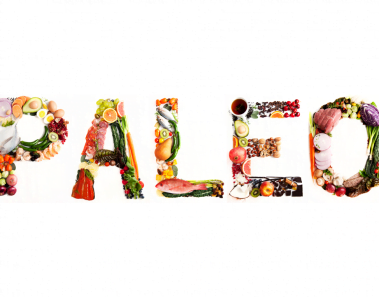
The paleolithic diet, also known as the paleo diet or caveman diet, is a diet based on the food humans’ ancient ancestors might likely have eaten, such as meat, nuts and berries, and excludes food they likely wouldn’t have had access to, like dairy and processed grains.
The diet is based on several premises. Proponents of the diet posit that during the Paleolithic era — a period lasting around 2.5 million years that ended about 10,000 years ago with the advent of agriculture and domestication of animals — humans evolved nutritional needs specific to the foods available at that time, and that the nutritional needs of modern humans remain best adapted to the diet of their Paleolithic ancestors. Proponents claim that human metabolism has been unable to adapt fast enough to handle many of the foods that have become available since the advent of agriculture. Thus, modern humans are said to be maladapted to eating foods such as grain, legumes, and dairy, and in particular the high-calorie processed foods that are a staple of most modern diets. Proponents claim that modern humans’ inability to properly metabolize these comparatively new types of food has led to modern-day problems such as obesity, heart disease, and diabetes. They claim that followers of the Paleolithic diet may enjoy a longer, healthier, more active life.
The roots of the idea of a paleolithic diet can be traced to the work in the 1970s by gastroenterologist Walter Voegtlin. The idea was later developed by Stanley Boyd Eaton and Melvin Konner, and popularized by Loren Cordain in his best-selling 2002 book, The Paleo Diet.
Loren Cordain has said the diet requires:
- Seeds such as walnuts are rich sources of protein and micronutrients
- More protein and meat: Meat, seafood, and other animal products represent the staple foods of modern-day Paleo diets, since advocates claim protein comprises 19-35% of the calories in hunter-gatherer diets.
- Fewer carbohydrates: Non-starchy vegetables. The diet recommends the consumption of non-starchy fresh fruits and vegetables to provide 35-45 % daily calories and be the main source of carbohydrates.
- High fiber: High fiber intake not from grains, but from non-starchy vegetables and fruits.
Food groups that advocates claim were rarely or never consumed by humans before the Neolithic agricultural revolution are excluded from the diet. These include:
- dairy products
- grains, for example wheat, rye, canary seed, and barley, which make it a gluten-free diet
- legumes, for example beans and peanuts
- processed oils
- refined sugar
- salt
- Neither alcohol nor coffee is considered “paleo” as human ancestors could not produce these drinks.
From Wikipedia, the free encyclopedia

Delicious Paleo Moussaka Recipe

Paleo Diet Recipes – Paleo Breakfast Mini Quiche